Lessons from the Agricultural Commissioner’s Workshop and the Spotted Lanternfly Defense Summit
If you’ve been following the conversation around vineyard sustainability in Sonoma County, you already know that this fall has been a wildly informative month—one filled with critical insights, collaborative action, and a renewed sense of purpose. Two recent events underscored just how important it is for our winegrape community to be proactive, united, and forward-thinking: the December 5th Agricultural Commissioner’s Workshop, and the November 19th Spotted Lanternfly (SLF) Defense Summit hosted by the Sonoma County Vineyard Technical Group (SCVTG).
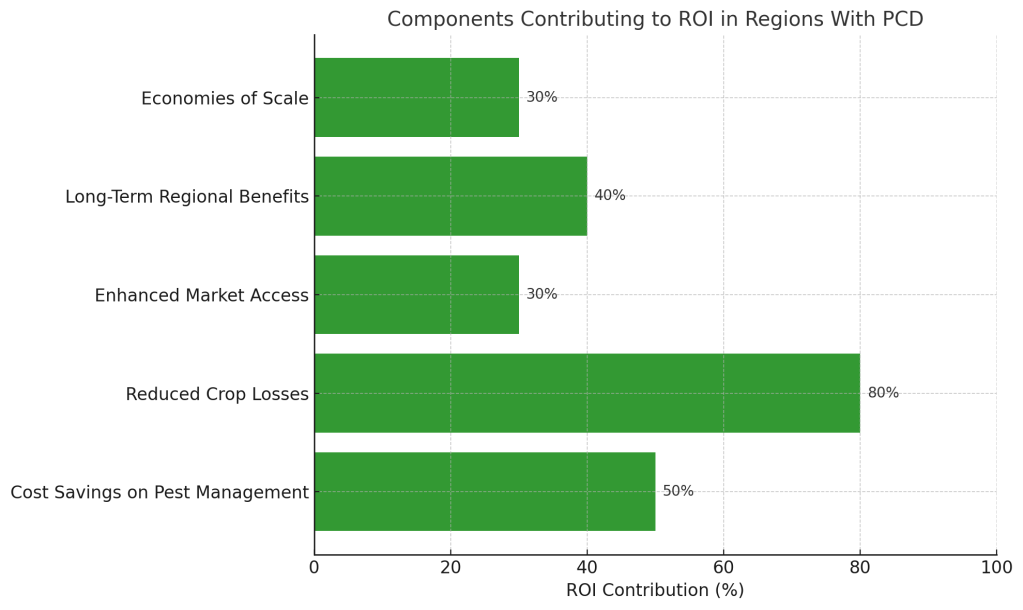
Bringing the Big Picture into Focus
At the Agricultural Commissioner’s Workshop, attendees heard a clear and compelling message: Sonoma County’s vineyards must prepare to work at a new scale and in new ways. Jason Saling—who wears many hats as President of SCVTG, Grower Relations Manager at Rodney Strong Vineyards, Director on the National Grape Research Alliance Board, and Chair pro Tempore of the Sonoma County Pest and Disease Control District Coalition—offered more than an update. He delivered a call to action, making it clear that while Integrated Pest Management (IPM) approaches are valuable, they aren’t enough to address the next wave of pest threats and meet the state’s ambitious Sustainable Pest Management (SPM) goals.
The takeaway? Sonoma County needs a PCD—an organized, grower-driven framework with the legal authority, transparency, and resources to tackle pests before they reach our vineyards, not after. By aligning with the Department of Pesticide Regulation’s SPM Roadmap, a PCD would allow us to shape research priorities, leverage advanced diagnostics, and collaborate with regulators and the public. It’s a structure designed to protect our economic future, ensure community buy-in, and keep us ahead of pests that don’t recognize property boundaries.

Spotlight on Spotted Lanternfly: A Looming Threat
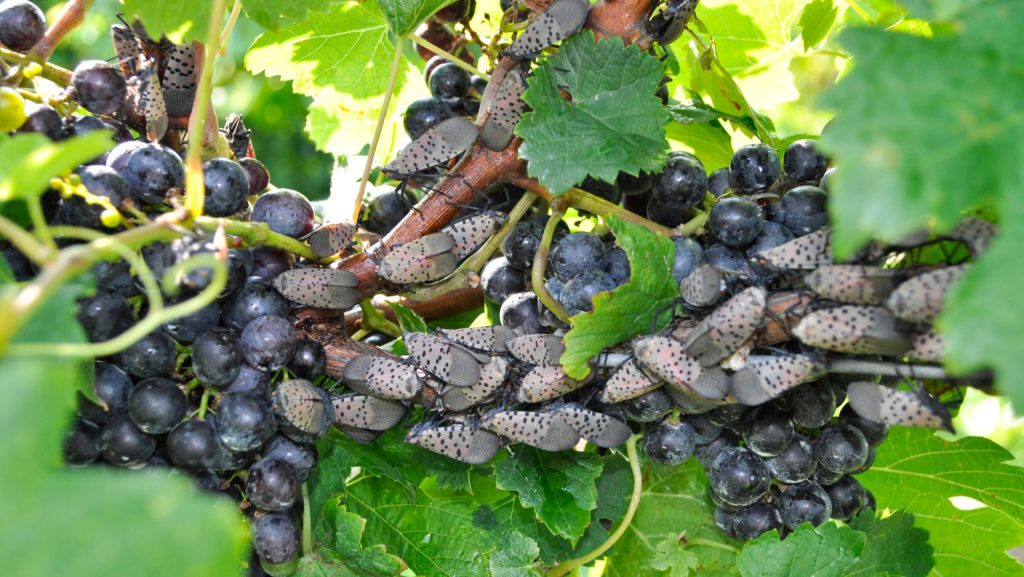
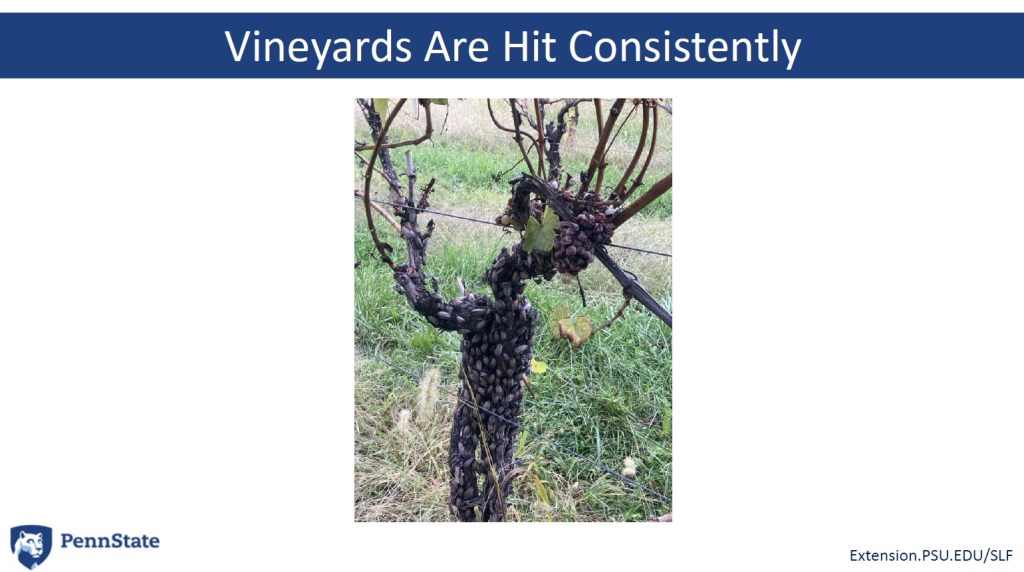
If the Agricultural Commissioner’s Workshop laid out the “how and when” of a PCD, the November 19th SLF Defense Summit showed us the “why”. Over a hundred growers, pest control advisors, and industry stakeholders gathered to learn about the Spotted Lanternfly, a pest that has already caused staggering damage—up to 90% yield losses—in eastern vineyards. While it’s not in California yet, it’s getting closer every year. The message from the experts was clear: waiting until SLF arrives is not an option.
At the Summit, presenters detailed SLF biology, explained its migration patterns, and shared hard-earned lessons from regions already fighting it. The consensus? A proactive, regional strategy is absolutely essential. And that’s precisely what a PCD can deliver. By unifying the entire county under one umbrella, a PCD can facilitate real-time pest mapping, collective training, bulk purchases of beneficial insects, and public awareness campaigns that ensure everyone knows what to look for and how to respond.
Two Events, One Message: Be Proactive, Be United
Put simply, the November 19th Summit and the December 5th Workshop dovetail perfectly. Both emphasized that individual, reactive measures—even well-honed IPM strategies—are no longer sufficient in today’s landscape. The pests we face are adapting quickly and moving unpredictably. Meanwhile, California’s 2050 SPM Roadmap pushes us to think beyond property lines and chemical controls, and toward integrated, ecosystem-based solutions.
A PCD embodies this shift:
- Regional Collaboration: Instead of isolated vineyard efforts, a PCD coordinates action across the entire county.
- Ecosystem Restoration & Resilience: It champions a holistic vision that includes beneficial insects, ecological balance, and robust monitoring.
- Stakeholder Engagement: A PCD ensures that growers, policymakers, researchers, and community members have a voice—and a stake—in sustainable solutions.
- Proactive Defense: It turns “hope for the best” into “prepare for the worst,” offering a strategic response to emerging threats like SLF before they become crises.
What’s Next?
Both events pointed to the next steps. Our initial petition efforts to form a PCD were close but not quite there. Now, with a clearer understanding of the gaps and a more urgent call from industry leaders, we’re refining the proposal and outreach to ensure more growers sign on. Look for new petitions in the coming months—your support and voice will be critical.
We also encourage everyone to stay informed by visiting the Sonoma County PCD coalition’s website, engaging with educational materials, and talking to neighbors and colleagues about the importance of early, organized action. Together, we can make sure that when pests like SLF knock on Sonoma County’s door, we have a plan—and a powerful, unified framework—to keep them out.
Your Role in Shaping Our Future
Sonoma County is known for its innovation, community spirit, and commitment to sustainability. Now is the time to live those values by proactively protecting our vineyards and our region’s winegrowing heritage. The Agricultural Commissioner’s Workshop and the SLF Defense Summit both underscored what’s at stake: our economic vitality, our environmental health, and our reputation as leaders in sustainable agriculture.
By embracing the PCD concept, we make a choice. We choose preparedness over panic, foresight over hindsight, and collaboration over isolation. Together, let’s ensure that Sonoma County’s winegrape industry remains strong, resilient, and ready to meet the future head-on.
 Sonoma County Pest Control District Coalition