1. Introduction: A Red Alert for Wine Country
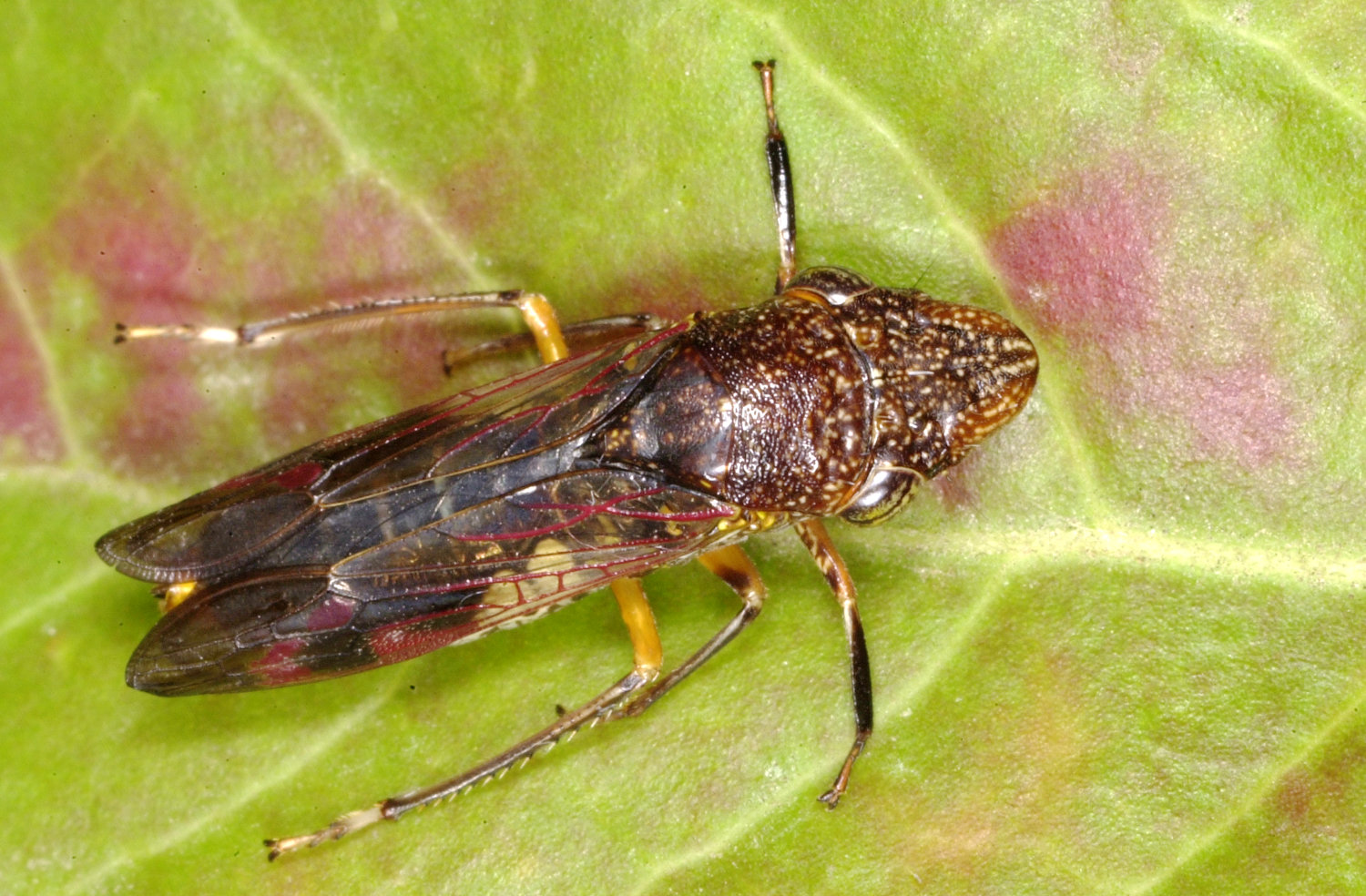
The recent discovery of the Glassy-Winged Sharpshooter (GWSS) at Costco stores in Santa Rosa, Rohnert Park, and Novato is not merely an isolated agricultural nuisance, it is a catastrophic breach of our regional biosecurity. While Costco has proved to be a cooperative partner in the recovery effort, the presence of multiple life stages, eggs, nymphs, and adults, across several North Bay counties indicates a systemic failure of our current defensive protocols.
Sonoma County Agricultural Commissioner Andrew Smith has characterized the situation as a high-stakes race against time. This incident serves as the definitive proof that Sonoma County can no longer afford to operate on a reactive, “courtesy-call” basis. We need to establish the Sonoma County Pest Control District (PCDC) to provide the structural and financial backbone necessary to lead a regional Joint Powers Authority (JPA). Biosecurity is not a county-by-county option; it is a regional mandate.
2. The Costco Breakdown: Why Our Current Defenses Aren’t Enough
The infestation was traced to a shipment from Burchell Nursery in Fresno County, a region under a strict compliance agreement due to established GWSS populations. According to Sonoma County Agricultural Commissioner Andrew Smith and Marin Agricultural Commissioner Joe Deviney, the breakdown occurred because fundamental quarantine protocols were ignored at the source. Investigation reveals that high staff turnover at the shipping nursery led to a failure in understanding and executing mandatory shipping requirements.
The “blue tag” system failed due to three critical administrative and physical lapses:
- Failure to Notify: State law requires shipping nurseries to notify the destination county’s agriculture department prior to delivery. This data transmission never occurred, leaving local inspectors in the dark.
- Bypassing the “Hold for Inspection” (Blue Tag): The nursery failed to attach the physical “blue tag” hold notice, which alerts retail staff to keep the shipment quarantined until cleared by a local agricultural inspector.
- Untracked Plants “In the Wild”: Because these safety nets were bypassed, hundreds of potentially infested plants were sold to an unsuspecting public. As of now, the following plants remain unaccounted for and potentially serve as infestation vectors in residential gardens:
- Sonoma County: 158 plants
- Napa County: 157 plants
- Marin County: 132 plants
- Contra Costa County: ~200 plants
3. The Silent Reservoir: The Massive Threat of Abandoned Vineyards
While the Costco breach highlights retail vulnerabilities, a more insidious threat lurks in the North Coast’s “passively mothballed” or nearly completely abandoned vineyards. These sites are not merely fallow land; they are underfunded liabilities for regional biosecurity.
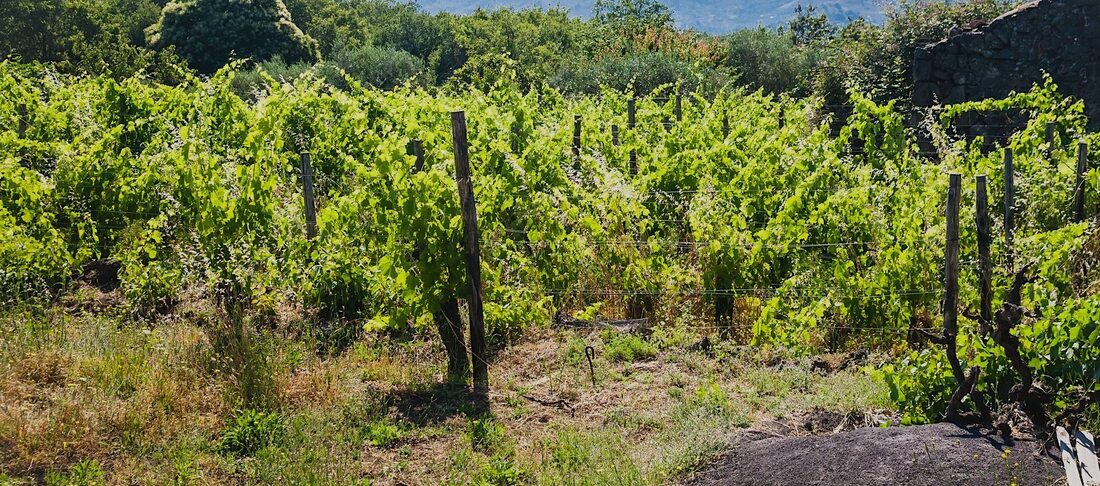
Managed commercial vineyards employ “roguing”, the immediate identification and removal of infected vines, alongside consistent monitoring. Abandoned sites lack these protections, serving as undetected harborages for both the GWSS and Xylella fastidiosa (the bacterium causing Pierce’s disease). Because the GWSS is an aggressive flyer, capable of traveling significantly greater distances than native sharpshooters, these unmanaged acres act as primary launchpads for the pest to migrate into premium, managed estates. Without a Pest Control District to oversee and enforce management of these reservoirs, even the most diligent grower is at the mercy of an infested neighbor.
4. Strength in Numbers: Why a Multi-County JPA is Non-Negotiable
The movement of this pest through the retail supply chain has already put Sonoma, Napa, Mendocino, Lake, and Marin counties on high alert. While initial samples in Mendocino were negative, Commissioner Angela J. Godwin has maintained a posture of heightened surveillance. We must move toward a formal Joint Powers Authority (JPA) to synchronize our defense.
Napa County’s Wine Grape Pest and Disease Control District has provided a successful roadmap for over 20 years. While Sonoma currently relies on the luck of a “courtesy call” from retail partners, the Napa model utilizes high-density trapping and mapping to catch what the paper trail misses. A regional JPA would ensure:
- Unified Enforcement: Stronger administrative authority to levy meaningful civil penalties against nurseries that skip protocols, ensuring that “staff turnover” is never again used as an excuse for a regional biosecurity breach.
- Pooled Resources: Shared funding to deploy rapid response teams and high-density trapping grids that cross county lines seamlessly.
- Streamlined Monitoring: A single, synchronized tracking system for all nursery shipments entering the North Coast, eliminating the notification gaps that allowed the Burchell shipment to reach shelves undetected.
5. The High Stakes: Pierce’s Disease by the Numbers
The biological reality of the GWSS is a death sentence for unprotected viticulture. This is not just a wine industry issue; it is a threat to the entire North Coast ecosystem.
Quick Facts: The Economic and Biological Threat
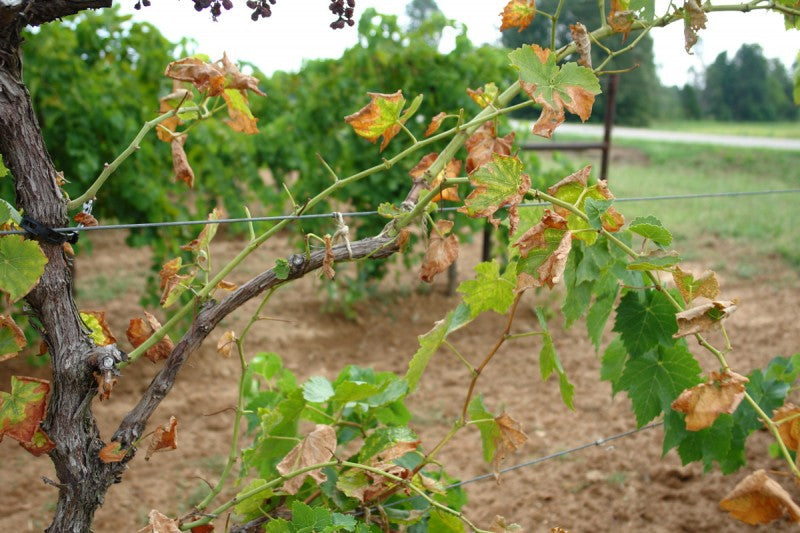
- Fatal Biology: Pierce’s disease has no known cure. It blocks the vine’s water-conducting systems, effectively desiccating the plant from the inside.
- Massive Host Range: The GWSS feeds on over 250 host plants, including citrus, almonds, and hundreds of ornamental varieties, making every residential garden a potential host.
- Proven Destruction: A 2008 University of California study found that Pierce’s disease caused $30 million in losses and destroyed over 1,000 acres of grapevines in Northern California alone.
- Economic Exposure: Sonoma County’s 55,000 acres of wine grapes support a workforce where 25% of residents are employed by the industry. A systemic outbreak is a direct threat to the regional economy.
The Costco incident was a warning shot that we were lucky to survive. We cannot continue to gamble the future of Sonoma County on the hope that retail managers will catch the mistakes of out-of-county nurseries.


Terrible and terrifying situation. Totally agree with need for a well structured bio security region wide organization. Shocking of the gaps in So Co. Retail such as Costco should help fund it.
LikeLike
Thank you for the comment, Mark. You’re right, Terrifying indeed! Although, while having retailers like Costco help foot the bill sounds like a great idea, relying on retail funding goes against one of the most vital strengths of a Pest Control District: stakeholder control.
By law, a Pest Control District is 100% stakeholder-driven and funded. This is a KEY element to ensuring the sanctity and use of the monies invested. Because the growers are the only ones paying into the district, the stakeholders themselves retain absolute control over the funds and spending.
This structure guarantees that the money is used exclusively for the benefit of the assessed crop and can never be redirected by outside corporate interests or external bureaucracy. Ultimately, keeping the funding strictly in the hands of the growers ensures the district remains fully focused on its core mission: protecting our vineyards through rapid, proactive, and targeted action.
LikeLike